Hair Mask and Conditioner for Strong, Smooth, and Nourished Hair
Discover how hair masks and conditioners can support softer, smoother, and more manageable hair while providing extra care for dry, frizzy, and rough lengths.
It takes more than normal shampooing to maintain healthy-looking hair. Hair may be unmanageable due to its dryness, frizz, texture, heat styling, pollution, and chemical treatments. When hair requires additional softness, moisture and smoothness, a hair mask and conditioner may be helpful.
A conditioner will usually be used after the shampoo and is often used to make hair softer and less tangled, while a hair mask is applied on a less frequent basis and is more likely to be applied for conditioning. Knowing what products to pick based on your hair's needs can help to establish a simple routine.
Why Use a Hair Mask and Conditioner?
They both seek to enhance the texture of the hair, but they do so in different ways.
Usually, after you use a shampoo for your hair, you use a conditioner to make the hair easier to manage and detangle. It may help to smooth the surface of the hair and make it softer. A hair mask is usually thicker and is designed to condition the hair deeper if it has a dry, rough, frizzy or damaged feel.
Both can be used together in an appropriate program and support:
- Softer-feeling hair
- Better manageability
- Reduced appearance of frizz
- Improved smoothness
- Easier detangling
- Further dry feeding for dry lengths and ends.
The proper regimen as well depends on the hair type. Excessive use or heavy treatments may result in some hair becoming heavy.
Benefits of a Hair Mask and Conditioner
Helps Improve Hair Softness
Dry hair may be crunchy and hard to comb. The lengths and ends will feel softer if you condition them regularly and if these become full of static, you can use the hair mask for additional conditioning.
If your hair is dry or rough, selecting a nourishing treatment and applying it regularly can help to make your hair more comfortable and easier to manage.
Helps Manage Frizz
Dry, rough or humid hair, and daily environmental stressors can make frizz more visible. Applying the proper conditioning regimen can make the hair more manageable and smooth.
For people whose primary worry is frizzy hair, a hair mask for frizzy hair might be added to your weekly routine. Unless otherwise specified by the product instructions, ensure that the product's application is primarily to the mid-lengths and ends.
Provides Extra Care for Dry Hair
Dry hair may require a higher amount of conditioner than other hair. A regular conditioner can help soften the lengths regularly, but a deeper conditioner can be applied if the lengths are especially dry.
It should also incorporate such simple measures as gentle washing, careful detangling and minimal heat usage.
Makes Hair Easier to Manage
Knots and tangles are discomforts while brushing and can cause needless pulling. The conditioner will enhance the hair slip and the hair becomes easier to comb after washing.
A nourishing mask can be used along with this routine to enhance the texture of lengths which are dry and rough.
Choosing a Hair Mask for Your Hair Type
Not all hair masks are for the same concern. Before you select one, think about what your hair requires.
Hair Mask for Frizzy Hair
If you have tough, wild, hard-to-manage hair, search for a conditioning product that is designed to make hair soft and smooth.
If you're aiming to give additional nourishment to dry and frizzy locks, a hair mask for frizzy hair may be an option to consider. It can easily fit into the weekly hair care routine along with the normal conditioning.
Best Hair Mask for Dry Frizzy Hair
Hair that is dry and frizzy may require moisture and conditioning. If you are experiencing rough, dull or unmanageable hair, a deeper treatment might help.
A good hair mask for dry and frizzy hair should be a part of a full hair care routine that includes deep repair, hydrating, softness, and manageability.
The aim is not to consume as many products as possible. Rather, select a treatment that is suitable for your hair type and apply regularly.
Rosemary Hair Mask
For those seeking to incorporate a nourishing regimen into their hair care, Rosemary-based hair care is also an alternative. A rosemary hair mask can be a part of a hair care regimen, which is centered around conditioning, softness and healthier hair.
For any type of hair mask, take into account the formula, not the single ingredients.
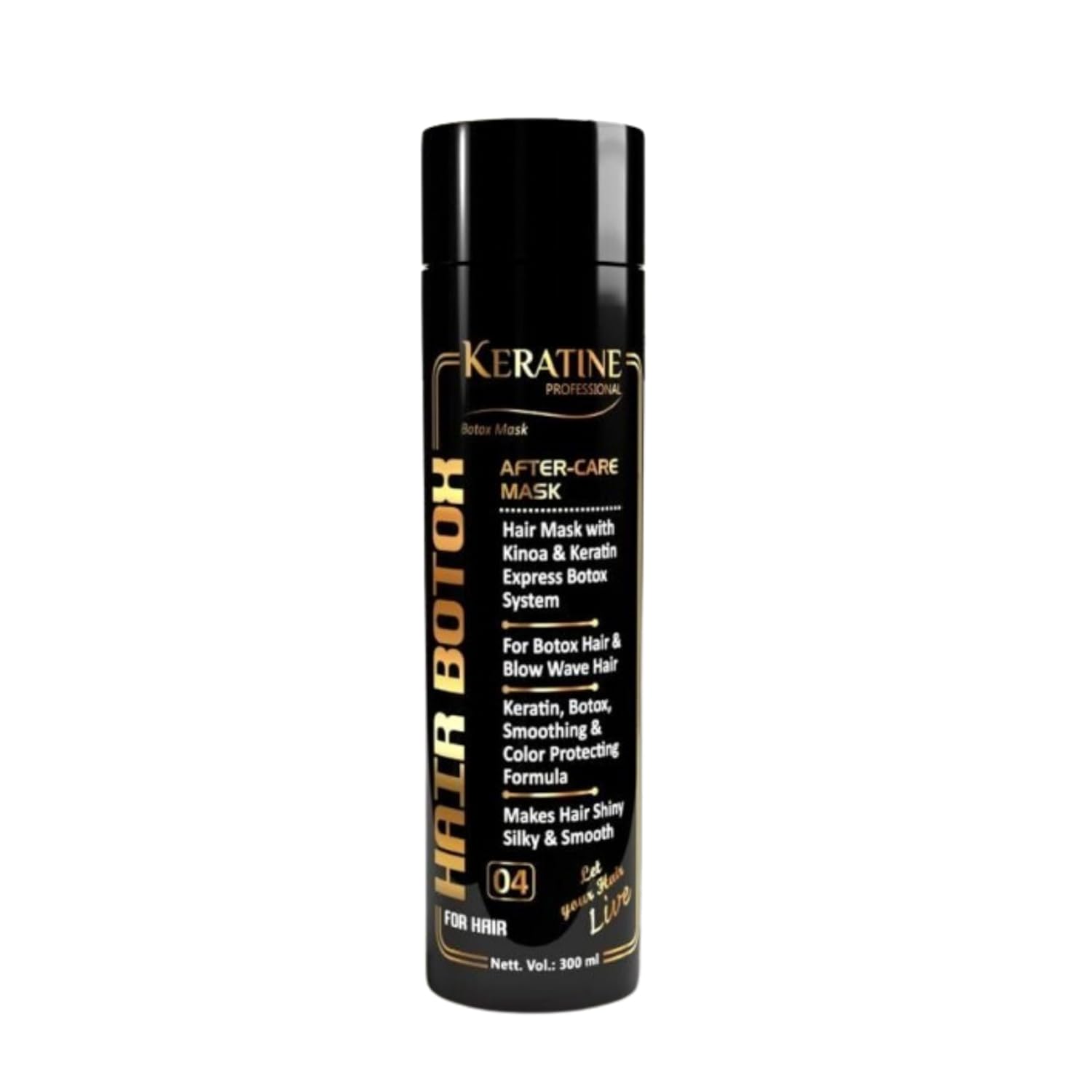
Smoothing Hair Mask
If you are worried about rough, frizzy or uneven texture, you might need a smoothing treatment.
For smoother, softer and more manageable-looking hair, a smoothing hair mask can be included. This can be helpful if your hair is hard to style after a wash.
Hair Mask vs Conditioner: What Is the Difference?
The main difference is how they are generally used.
Conditioner:
Most people use a conditioner after shampooing and it can be used most days. It is primarily used to increase softness, detangling and manageability.
Hair mask:
A more intensive hair conditioning mask is typically used less often. It may be helpful during hot, dry, rough, frizzy, or stressed periods of hair due to heat and chemical processing.
These products aren't required to be used in both simultaneously. Your normal routine can be modified based on how your hair responds and the directions that are given with the products.
How to Use a Hair Mask and Conditioner
Here is a simple routine that will help you to utilize both products to the fullest extent.
Step 1: Shampoo Your Hair
Begin by shampooing your hair with one that's appropriate for your scalp and hair type. Thoroughly rinse to remove dirt, excess oil and product buildup.
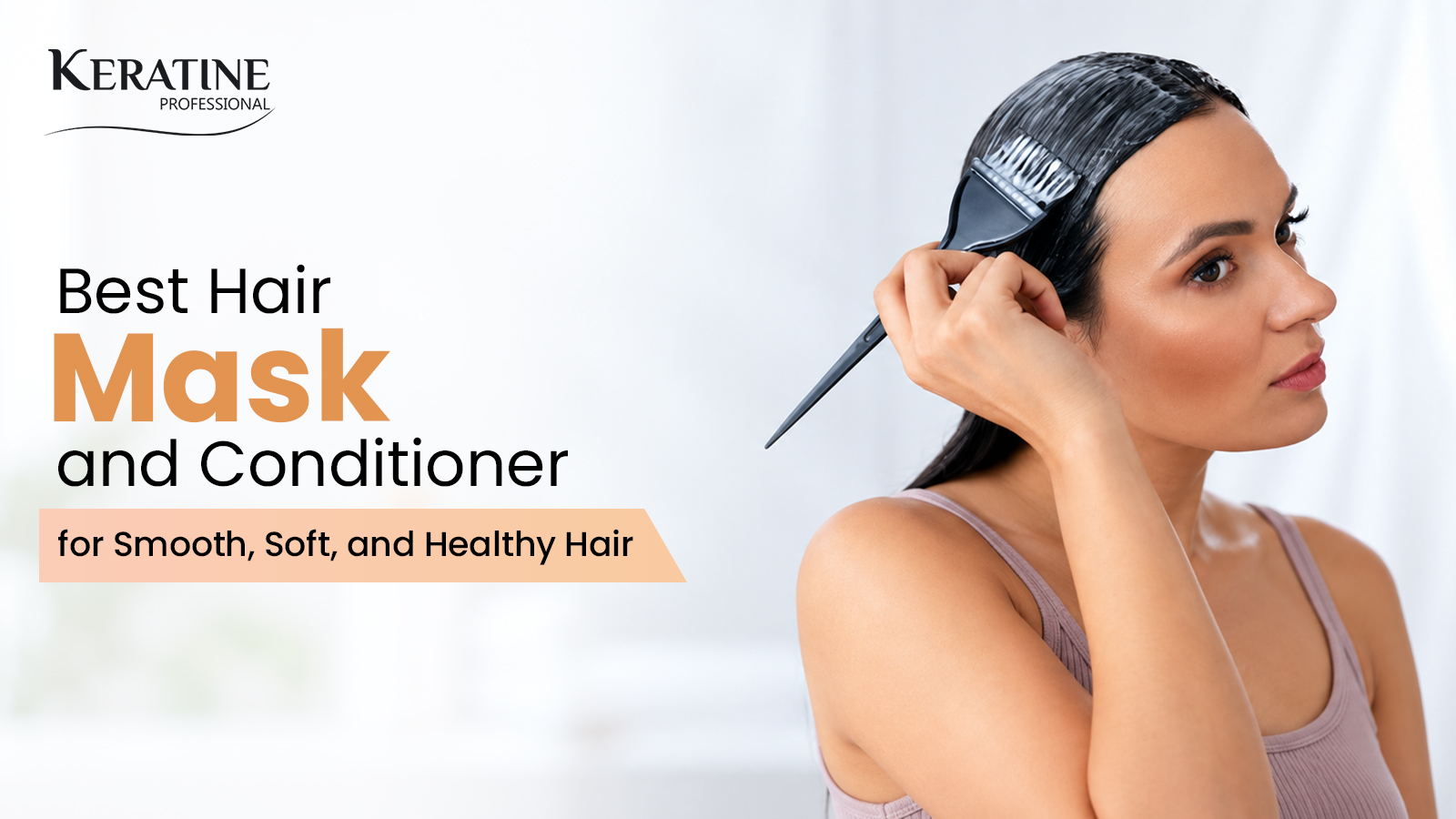
Step 2: Apply the Hair Mask
Gently rinse hair after shampooing to remove excess water. Use a hair mask primarily in the mid-lengths and ends.
Step 3: Use Conditioner When Needed
If you use a mask and then conditioner, apply an appropriate amount of conditioner to lengths and ends. As directed on the product, leave it on and rinse thoroughly.
On normal wash days, the conditioner can be used without a hair mask.
Step 4: Dry and Detangle Gently
Don't scrub wet hair with a towel. Carefully blow out excess water and untangle. Restricting over-styling with excessive heat also helps keep your hair textured and smooth.
How Often Should You Use a Hair Mask?
You might want to use a more or less frequent frequency depending on the condition of your hair.
A mask can be used once or twice a week on dry, rough or damaged hair, less frequently on normal hair. If hair begins to feel heavy or coated, cut down on the amount or frequency.
Generally, conditioner can be used more often, particularly after shampooing, when hair requires softness and detangling.
Tips for Strong, Smooth, and Nourished Hair
For best results, use a hair mask and conditioner together. The following simple habits should be kept in mind:
- Select the products based on hair type and concern.
- Conditioning should be applied primarily to lengths and ends.
- Don't use very hot water to wash your hair.
- Reduce the use of too much heat styling.
- Use a heat protectant when using hot styling tools.
- Gently detangle hair to avoid pulling without need.
- Don't apply excessive amounts of product at a time.
- Do not change your hair care products too often.
Overall Summary
A hair mask and conditioner might be an easy and regular practice for anybody who wishes to get softer, smoother and simpler to maintain hair. A conditioner will assist with normal detangling and softness, while a hair mask will supply more conditioning to the lengths when they feel dry, rough or frizzy. Treatment options vary based on the individual and their specific issues, as well as hair type. Hair nutrients can help with dry hair, and smoothing shampoos and conditioners can help with frizz and rough texture. With regular use and gentle cleansing, these products can work well without making your routine too complicated to keep your hair softer, smoother and healthier without any worries.