Hair Mask and Conditioner Combo for Stronger and Smoother Hair
To keep hair soft, smooth and manageable, regular care is important. Shampoo is used to cleanse the scalp and remove build-up, conditioner for everyday softness and helps to reduce tangling
To keep hair soft, smooth and manageable, regular care is important. Shampoo is used to cleanse the scalp and remove build-up, conditioner for everyday softness and helps to reduce tangling. If hair feels very dry, rough, frizzy or damaged, however, it could require extra nourishment. That's where a hair mask can come in handy.
Hair mask and conditioner combination can be used for regular conditioning and deeper nourishment. A conditioner may be applied following a normal wash while a hair mask can be applied once or twice a week depending on the type and condition of the hair. The selection of the appropriate products can enhance the look, feel and control of your hair.
Why Use a Hair Mask and Conditioner Combo?
Conditioners and hair masks have similar functions, but they have different purposes. A conditioner is usually lighter and is used as often as after shampooing. It will help soften, smooth and detangle hair.
Typically, a hair mask is a more concentrated conditioning treatment. This can be helpful in times your hair is dry or requires additional moisture.
These products can be beneficial when used as part of a balanced regime:
- Enhance softness and smoothness
- Minimize the look of dryness
- Make hair easier to detangle
- Improve manageability
- Remove frizz from the locks.
- Keep a healthy appearing luminosity.
- Provide additional conditioning to dry lengths and ends
The important thing is to choose formulas based on hair types and not overdo the amount of different formulas.
Hair Mask for Silky Hair
If the hair is soft and silky, it's typical to require proper conditioning and handling. Strands can look rough and dull due to dryness, heat styling, chemical treatment, and environmental exposure.
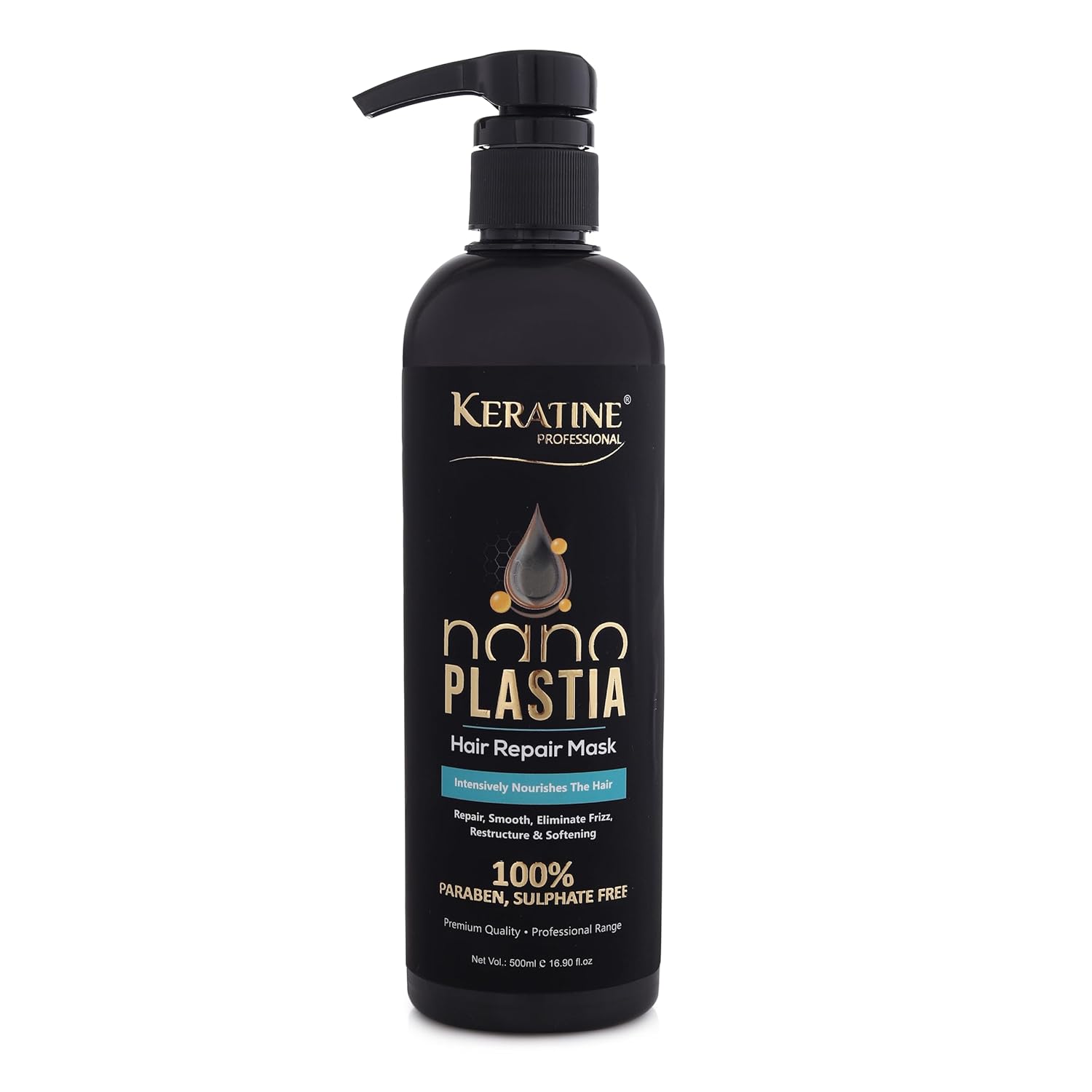
A hair mask for silky hair can help to condition the hair to a deeper level, which can help to improve the feel and appearance of the lengths. For anyone with an interest in nourishing, soft and smoother looking hair, the Hair Mask with Deep Nourishment can be included in a nourishment routine.
To get the best results the mask should be targeted mainly to the midlengths and ends. Leave on following the recommended directions on the product and rinse off well. There is no need to use excessive amounts, as it can weigh down certain hair types.
Hair Mask for Dry and Frizzy Hair
One of the main reasons hair becomes difficult to manage is because of dryness. If the strands are dry, they can be rough and frizzy, especially when it's wet.
If a person is suffering from hair mask dry and frizzy hair, then he or she might need a special hair mask for them which will add extra conditioning. It's also a Hair Mask Deep Repair and Hydration for Dry Hair option for those who want a deeper conditioning treatment for dry hair.
Frizzy hair: Do not towel-dry too aggressively or brush too much. After rinsing, squeeze out the excess water and untangle by combing slowly. These are some basic measures that can be taken to minimise unnecessary mechanical stresses.
Rosemary Hair Mask for Regular Hair Care
Rosemary hair mask is an ingredient that is used in hair care products and is found in the formula for scalp and hair nourishment. For those who like rosemary oil, it can be added to conditioning.
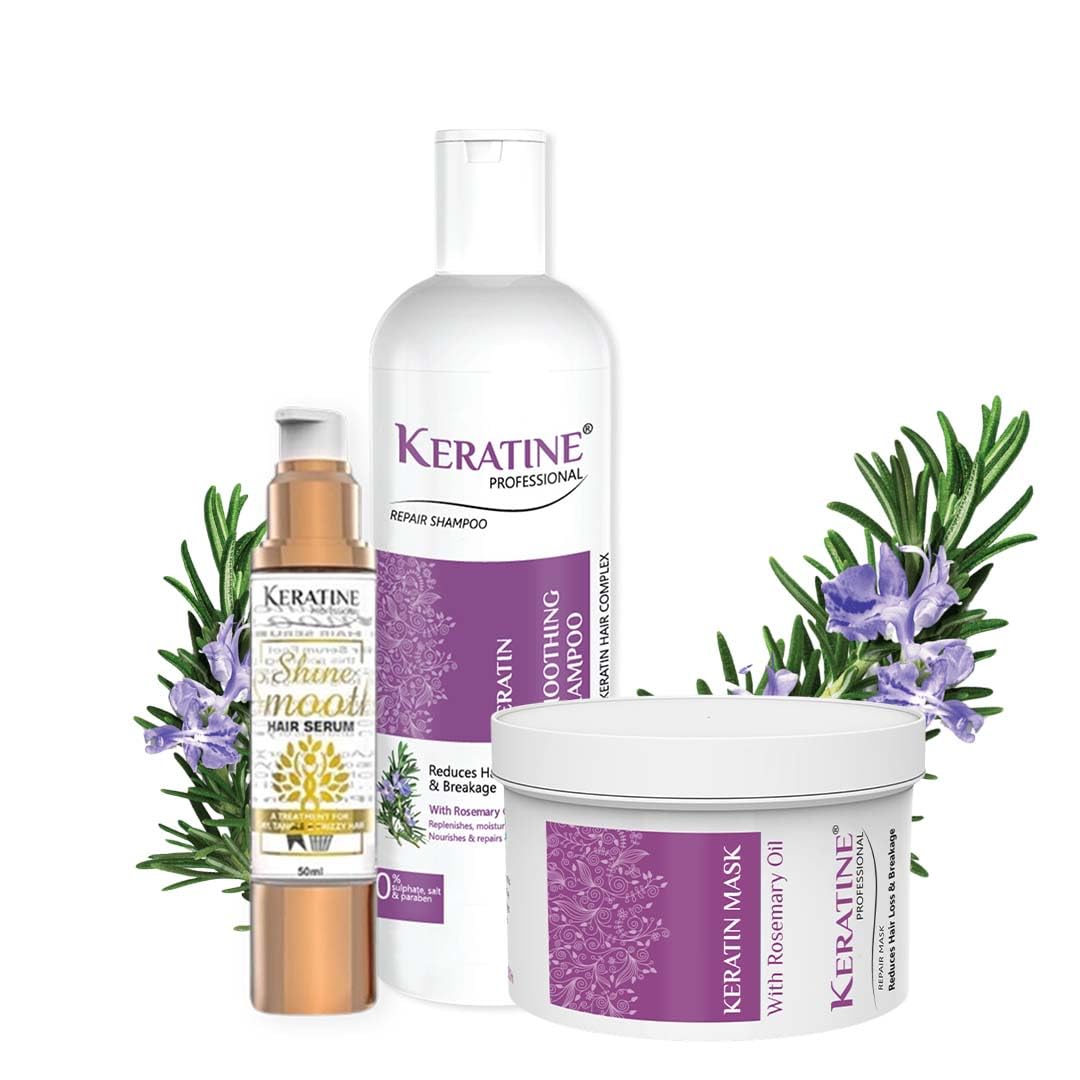
The Keratin Sulphate-Free Hair Mask with Rosemary Oil can be considered when looking for a rosemary hair mask.
If introducing a new hair product, use it according to the manufacturer's instructions. Do not apply products directly to the scalp unless the product is explicitly recommended to apply to the scalp.
Smoothing Hair Mask for Manageable Hair
If hair is rough or troublesome in appearance, a smoothing type conditioner may be helpful. A smoothing hair mask can help to give the strands a smoother texture and make it easier to achieve a sleek look.
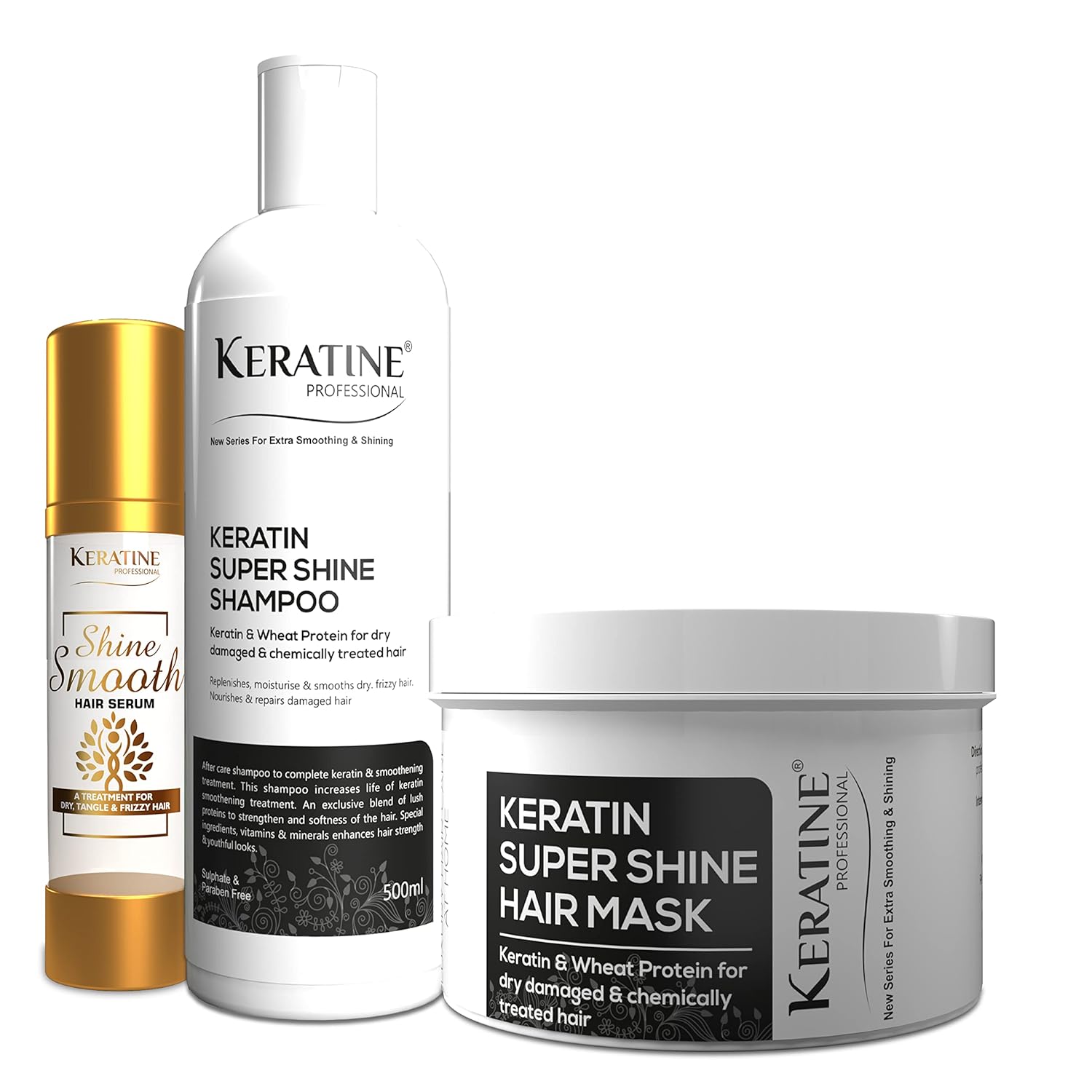
The Keratin Smoothing Hair Mask can be used in a hair smoothness and manageability routine.
Use of smoothing treatments is best when applied in addition to good washing and drying practices. Don't use straighteners and blow dryers too harshly or if your hair feels damaged or dry.
Conditioner and Hair Mask: What Is the Difference?
Both products condition the hair, but you may use them a little differently.
Conditioner:
A conditioner, in general, is formulated to be applied after shampooing and regularly. It contributes to softening of the hair, detangling and easier hair management.
Hair mask:
A hair mask is usually applied less often and is more penetrating in conditioning the hair. It is especially beneficial for coarse, dry, damaged, or chemically-treated hair.
Hair masks and conditioners are not always necessary and should be used simultaneously when washing hair. For many, conditioner can be incorporated into their everyday regimen, and perhaps a hair mask once or twice a week.
How to Use a Hair Mask and Conditioner Correctly
That's because if you follow a simple application routine, you can obtain better results from your products.
Step 1: Wash the Hair
The first step is to wash your scalp and hair with an appropriate shampoo. Use your fingertips to massage and rinse well.
Step 2: Drain out excess water.
After shampooing, squeeze out any excess water from your hair. Hair should not be wet, just damp when applying a mask.
Step 3: Apply the Hair Mask
Apply a correct amount of hair mask and apply well in the middle and ends. Do not over apply unless specified in the product instructions.
Step 4: Leave It on
Wait the recommended time before removing the product from hair. Don't leave it on too long, as the longer the better is not the rule.
Step 5: Rinse Thoroughly
Carefully rinse your hair to remove the product.
Step 6: Condition When Needed
You can use conditioner with products according to their instructions and with your hair type, or you can use it after a mask as needed. If hair tends to become heavy when layered, avoid too many heavy products.
How Often Should You Use a Hair Mask?
The best frequency will vary depending on the condition and texture of your hair. Regular deep-conditioning treatments may be beneficial for very dry or damaged hair, but less often may be needed for fine or oily hair.
Once a week is a good frequency for many different types of hair. In the event that your hair keeps being dry, you may opt for the treatment more often as directed by the instructions on the product.
If you feel your hair is greasy, heavy or coated, cut back on your use or the number of times you use them.
Choosing the Right Hair Mask for Your Hair Type
The right product is essential since various hair types require different types of products.
Dry Hair
Opt for a nourishing formula that prioritizes hydration and conditioning.
Frizzy Hair
Check for moisturizing and smoothing products which may aid in the manageability.
Damaged Hair
Select a conditioning mask that will enhance the look and feel of rough or dry strands.
Fine Hair
Opt for lighter products, and use less of them to prevent weighing down the hair.
Chemically Treated Hair
Provide gentle cleansing, regular conditioning and extra nourishment if necessary. Limiting heat styling can also help keep the hair looking sleeker.
Hair Care Tips for Smoother and Stronger-Looking Hair
While a hair mask is good to take part in your routine, your daily routine is also a crucial part in keeping your hair looking healthy.
Try to use a shampoo appropriate for your scalp and avoid using very hot water when shampooing. Do condition and untangle regularly and gently, particularly wet hair.
Use straighteners, curlers or blow dryers often? Avoid excessive heat and use appropriate heat protection. Do not pull hair for long periods of time, such as ponytails or pigtails.
Frequent trims can also help to prevent visibly split and damaged ends from getting out of hand. Most importantly, don't expect one product to address all your hair problems. A regular program is more likely to yield results.
Overall Summary
A hair mask and conditioner can be an easy addition to your regular hair care routine, particularly if the hair is dry, rough, frizzy, or hard to manage. A hair conditioner imparts softness and detangling to your hair every day, and when you require deeper conditioning, a hair mask will help. Select products based on your hair type and individual concerns, and don't overload with too many products. By incorporating regular conditioning, occasional deep conditioning, careful handling and gentle cleansing, you can have softer, smoother, more manageable hair, as well as an overall more healthy-looking hair appearance.